Altamont Farms
On the property

Birds of
Altamont Farms

We keep a running list of the birds that live here and the ones that pass through. Every one of them is doing work — mole crickets out of the pasture, rats out of the feed room, flies off the herd. This page is how we keep track of who shows up, when, and what they eat.

14
Species logged
5
Migratory
22
Nest boxes maintained
Showing 14 of 14
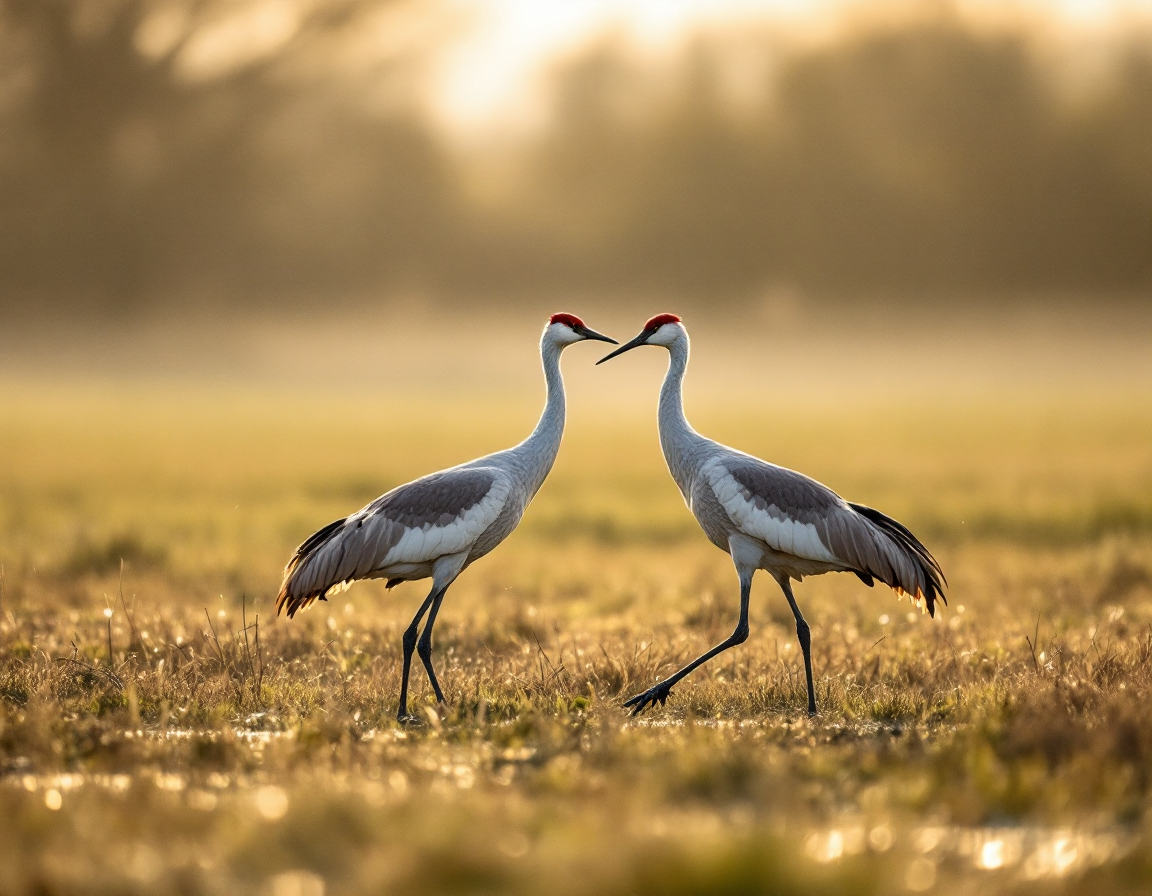
Sandhill Crane
01

Sandhill Crane

Antigone canadensis
Year-round

Four feet tall, slate gray, with a red crown. You hear the rattling call from a half mile off before you pick the pair out of the grass. They walk the pasture at a steady pace and do not hurry for anyone.

When to look
All year. Pairs bring colts out into the open in March and April.
Habitat
Wet pasture, the shallow margins of the pond, and the low ground after a rain.
Diet
Seeds, roots and tubers, insects, worms, snails, small snakes, and mice.
Migration
Non-migratory — here all year
What it does for the farm
Cranes probe the sod as they feed, which turns over soil and pulls mole crickets and grubs out of the root zone. Their presence is the best sign the wet ground is still functioning as wet ground.
Red-shouldered Hawk
02

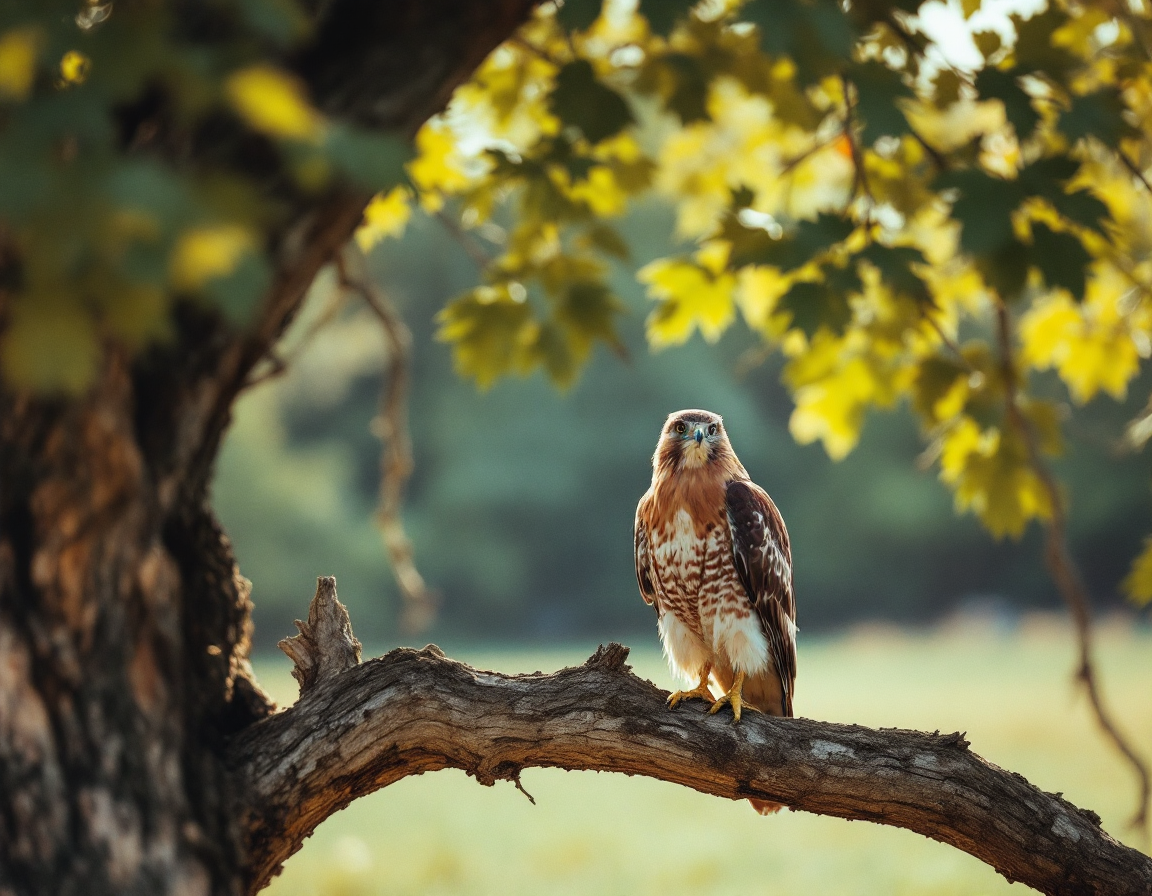
Red-shouldered Hawk

Buteo lineatus
Year-round

Barred rusty chest, black-and-white checkered wings, and a call that carries across the whole place. Usually the bird sitting on a low limb at the woods edge, watching the ground rather than circling.

When to look
All year. Loudest and most visible January through April.
Habitat
Nests in the oaks and cypress along the creek. Hunts field edges and the ditch banks.
Diet
Snakes, frogs, lizards, large insects, mice, and rats.
Migration
Non-migratory — here all year
What it does for the farm
The resident pair works the field-to-woods edge hard, which is exactly where rats move into feed and equipment sheds. No bait stations needed on that side of the property.
American Kestrel
03

American Kestrel

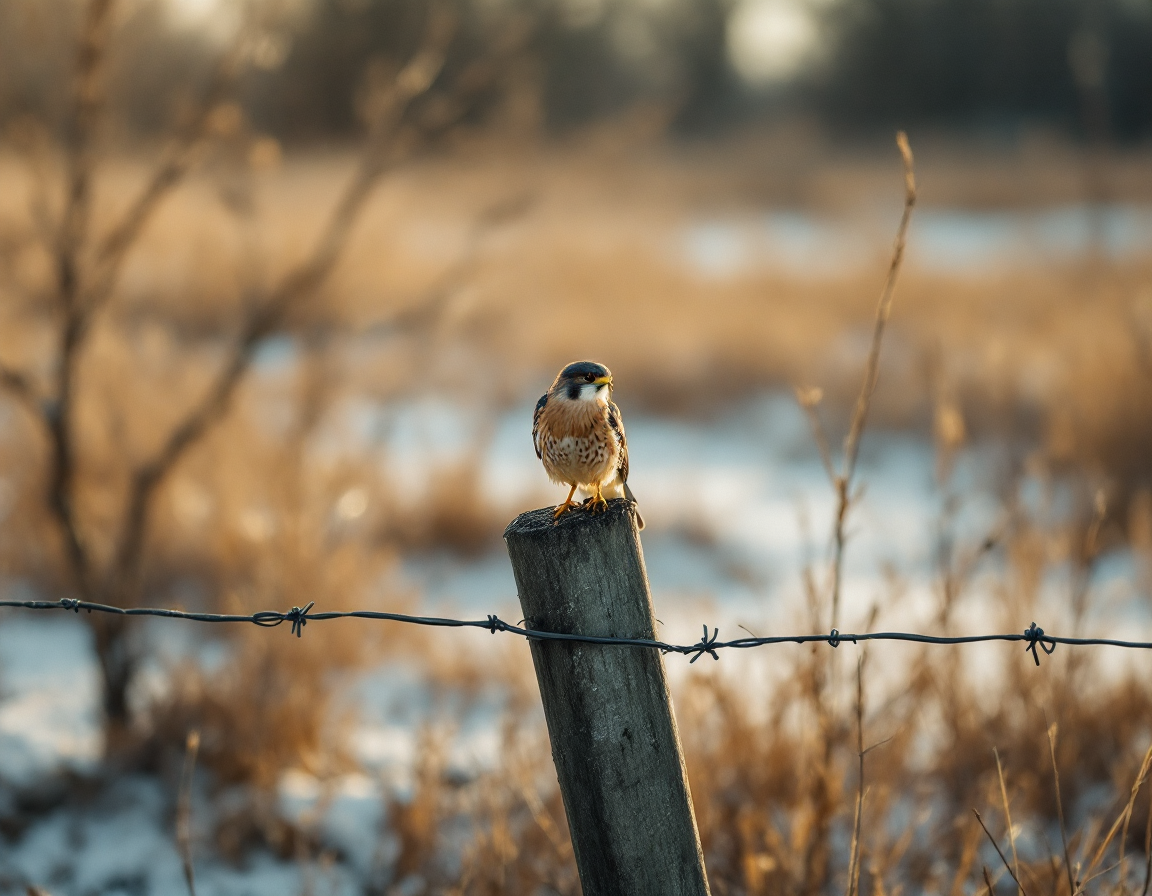
Falco sparverius
Winter visitor

Our smallest falcon, about the size of a mourning dove, rusty backed with slate-blue wings on the male. Watch for one on a wire over the open field, tail pumping, then hovering in place before it drops.

When to look
October through March
Habitat
Open field, fence wire, and the nest box on the south pole.
Diet
Grasshoppers, dragonflies, lizards, mice, and voles.
Migration
Migratory — leaves for the season
What it does for the farm
Winter is when grasshopper and rodent pressure builds in the cover crop. A kestrel holding territory over a field takes that pressure down without any bait or spray.
Barred Owl
04

Barred Owl

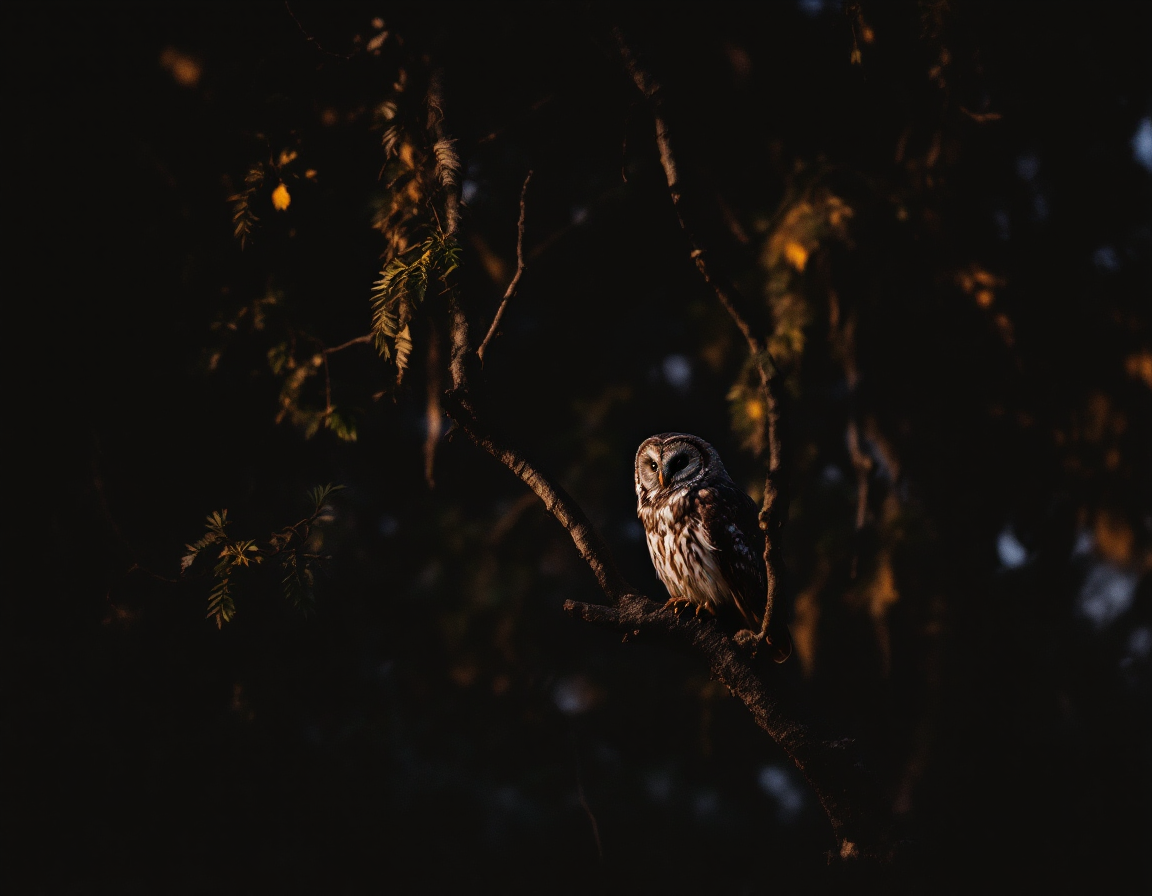
Strix varia
Year-round

Round headed, dark eyed, barred brown and cream. You will hear it before you see it, and it starts calling well before full dark. It will answer you if you call back.

When to look
All year. Calling picks up December through April.
Habitat
The wet hardwood hammock along the creek. Nests in a cavity in a big live oak.
Diet
Rats, mice, cotton rats, frogs, crayfish, and large insects.
Migration
Non-migratory — here all year
What it does for the farm
Takes the night shift on rodents and covers the hours the hawks miss. Leaving the creek hammock uncut is the whole reason they stay.
Pileated Woodpecker
05

Pileated Woodpecker

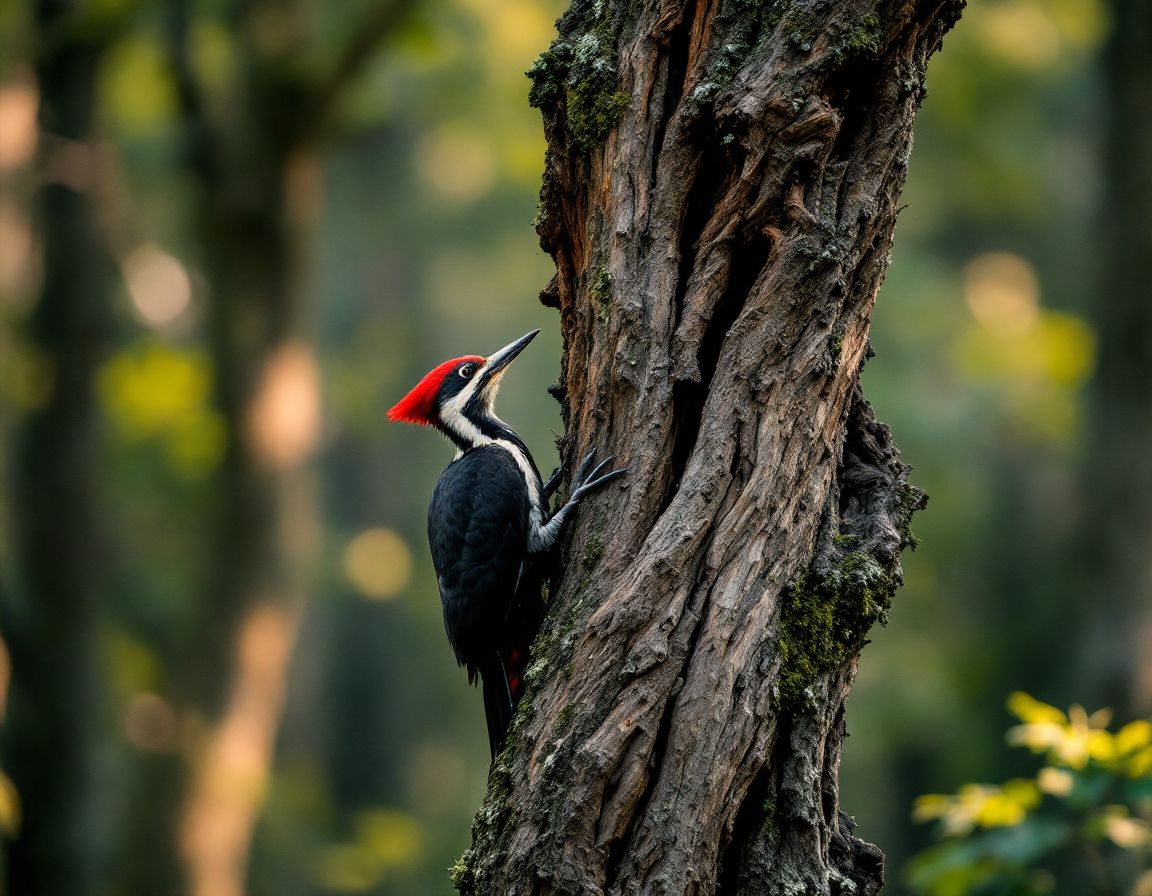
Dryocopus pileatus
Year-round

Crow sized, black and white, with a red crest. The drumming sounds like someone knocking on a hollow door. Look for the long rectangular holes it chisels in dead trunks.

When to look
All year
Habitat
Standing dead trees and large snags in the hammock and along the fence lines.
Diet
Carpenter ants, wood-boring beetle larvae, termites, and wild fruit.
Migration
Non-migratory — here all year
What it does for the farm
It works termites and carpenter ants out of dead wood before they find the barn, and the cavities it abandons become homes for owls, kestrels, and squirrels. We leave snags standing for this reason.
Black-bellied Whistling Duck
06

Black-bellied Whistling Duck

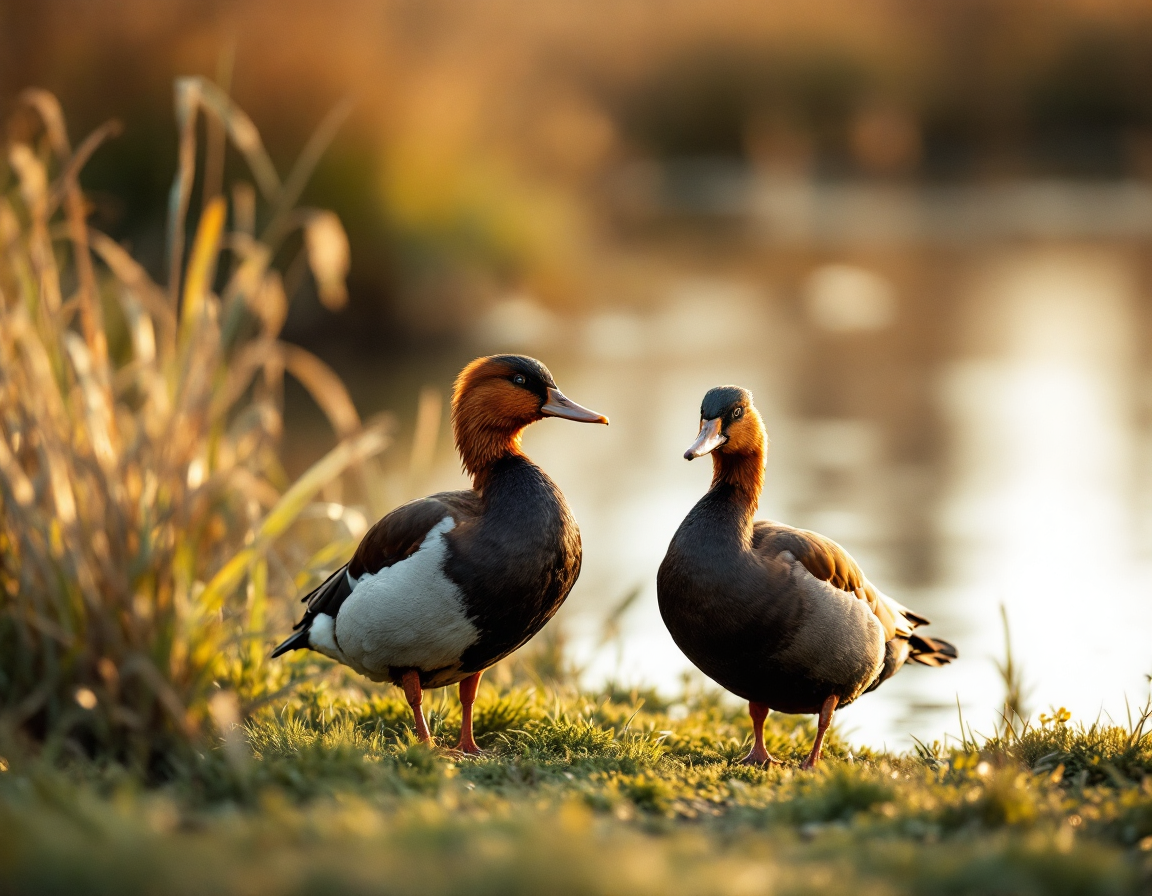
Dendrocygna autumnalis
Summer resident

Long necked, coral-pink bill and legs, chestnut chest, black belly. They perch in trees, which no one expects from a duck, and they whistle constantly overhead in small flocks.

When to look
March through October, small groups linger into winter
Habitat
Pond edge, wet ditches, and tree cavities and boxes near water.
Diet
Seeds, waste grain, aquatic plants, snails, and insects.
Migration
Migratory — leaves for the season
What it does for the farm
They clean up spilled grain and pond-edge weed seed that would otherwise volunteer into the pasture, and their manure feeds the pond's food web.
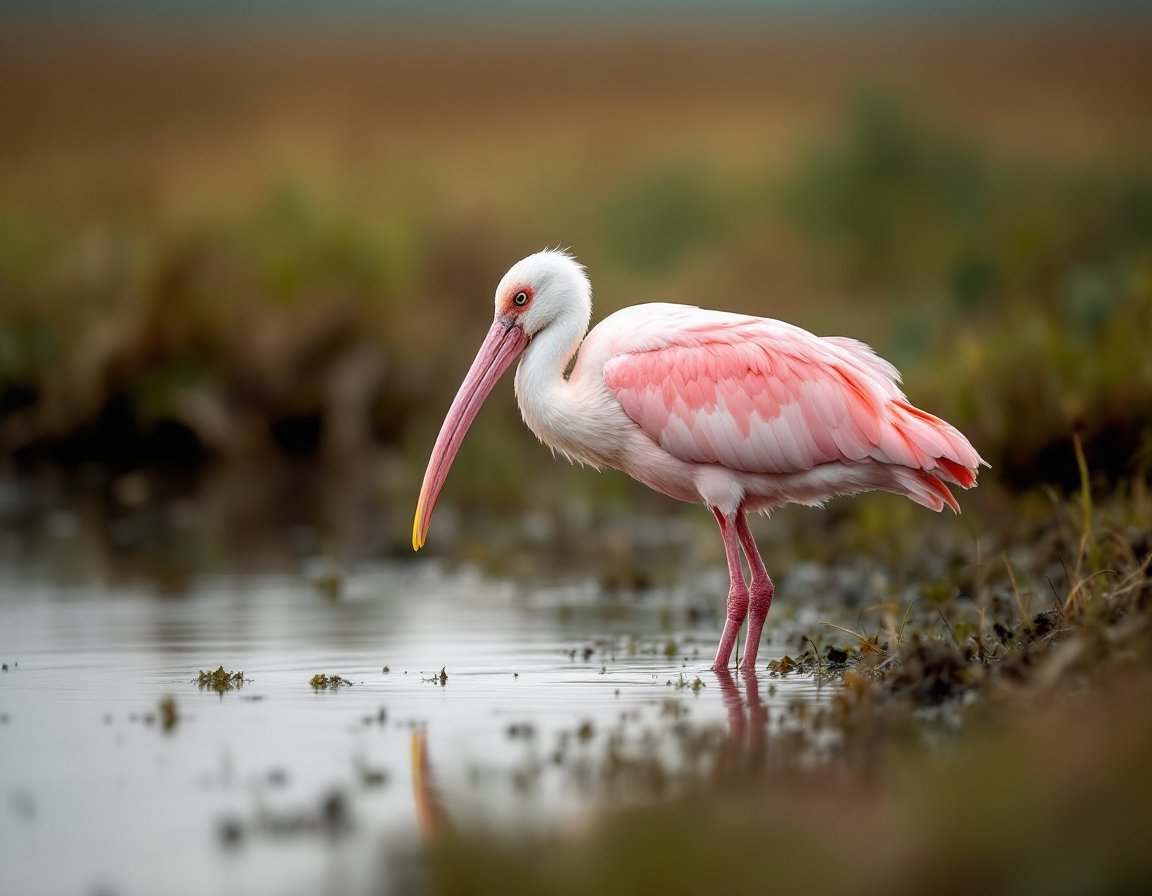
Roseate Spoonbill
07

Roseate Spoonbill

Platalea ajaja
Migratory passer-through

Unmistakable. Pink, with a flat spatula of a bill that it sweeps side to side through shallow water with its head down. Never here long, and always worth stopping the tractor for.

When to look
Most likely June through October, after heavy rain
Habitat
The flooded low corner and the shallow end of the pond when water is up.
Diet
Small fish, crayfish, shrimp, aquatic insects, and beetles.
Migration
Migratory — leaves for the season
What it does for the farm
Spoonbills only come when the wet corner holds water and stays clean. They are a check on our water management more than a working bird — when they show up, the ditches and buffers are doing their job.
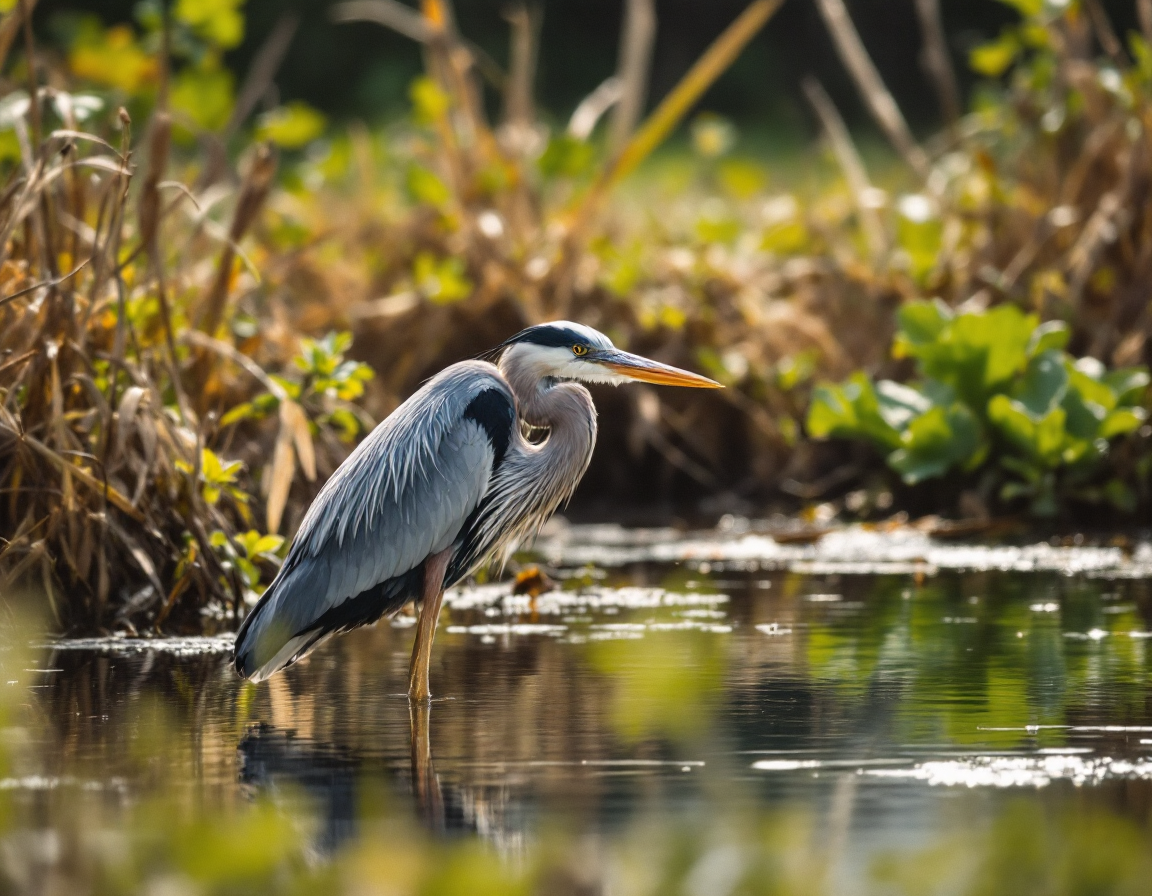
Great Blue Heron
08

Great Blue Heron

Ardea herodias
Year-round

Tall, blue-gray, and patient. It will stand in one spot at the pond for twenty minutes without moving, then strike. Just as often you find one out in dry pasture hunting rodents.

When to look
All year
Habitat
Pond, ditches, and open pasture. Roosts in the tall cypress.
Diet
Fish, frogs, snakes, crayfish, and a surprising number of rats and mice.
Migration
Non-migratory — here all year
What it does for the farm
Herons hunt the pasture as readily as the water, and a heron working the field is taking cotton rats out of the grass all day. They also thin out the pond's small fish, which keeps it balanced.
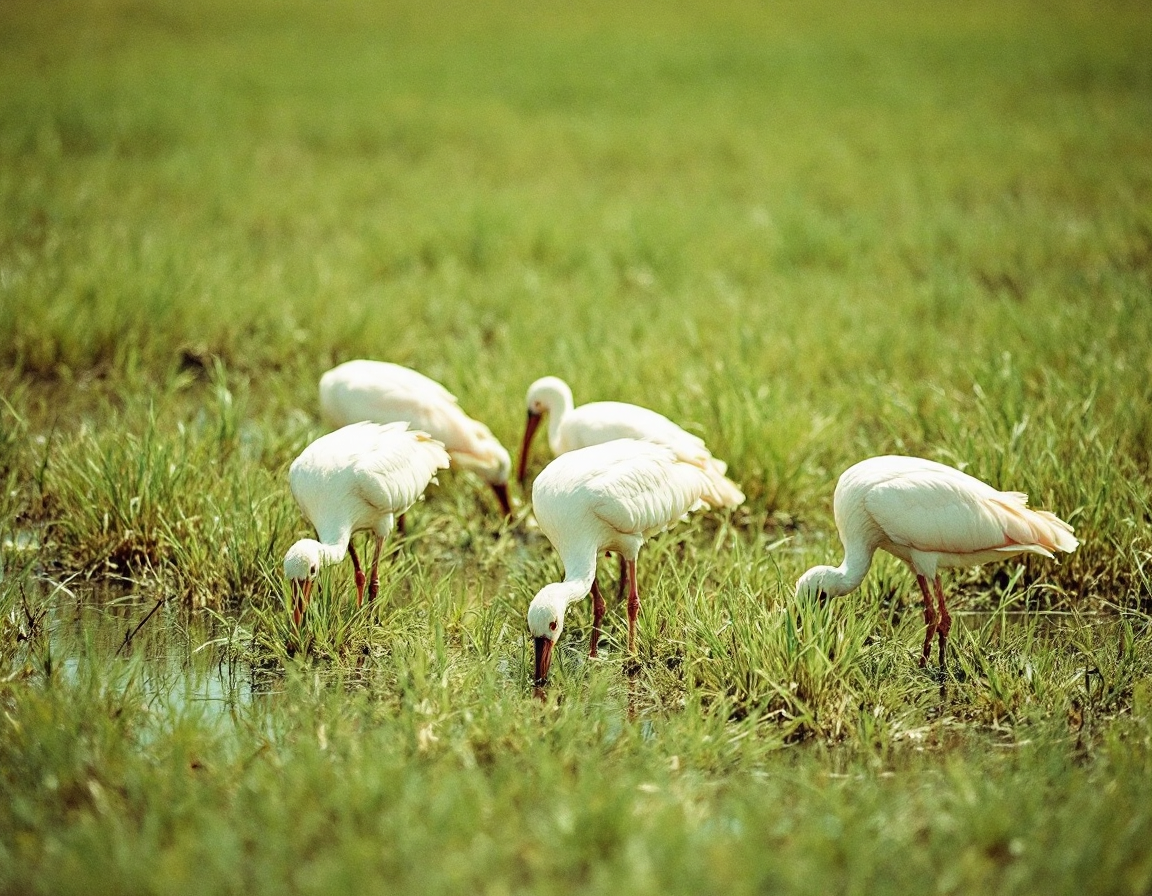
White Ibis
09

White Ibis

Eudocimus albus
Year-round

White, with a long curved orange-red bill and black wingtips in flight. They arrive as a loose flock, work across the pasture in a line, and pick the ground over completely.

When to look
All year. Biggest flocks follow summer rain.
Habitat
Damp pasture, irrigated ground, and the shallow pond margin.
Diet
Mole crickets, grubs, beetles, crayfish, and worms.
Migration
Non-migratory — here all year
What it does for the farm
The single best mole cricket control we have. A flock working a paddock after the herd rotates out probes the top few inches and takes out the grubs chewing on the root mass.
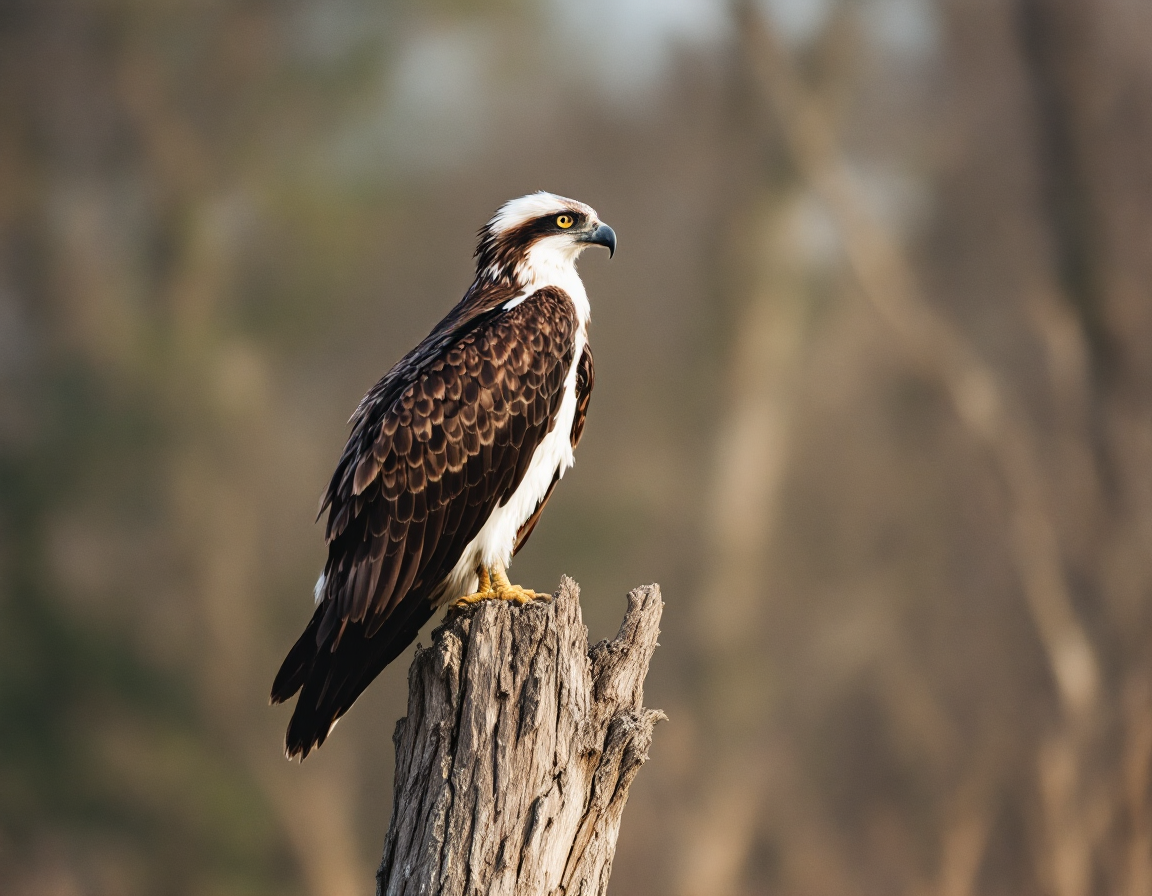
Osprey
10

Osprey

Pandion haliaetus
Year-round

Dark above, white below, with a bandit's mask through the eye. It hovers over the pond, folds up, and hits the water feet first. Comes up shaking itself dry in midair.

When to look
All year. Nest building starts in December and January.
Habitat
Nests on the tall snag by the pond. Hunts the pond and the creek.
Diet
Almost entirely live fish.
Migration
Non-migratory — here all year
What it does for the farm
Ospreys eat fish, not our livestock or crops, so they cost us nothing and they keep other raptors off the nest tree. Their nest is also a fair read on pond health — no fish, no osprey.
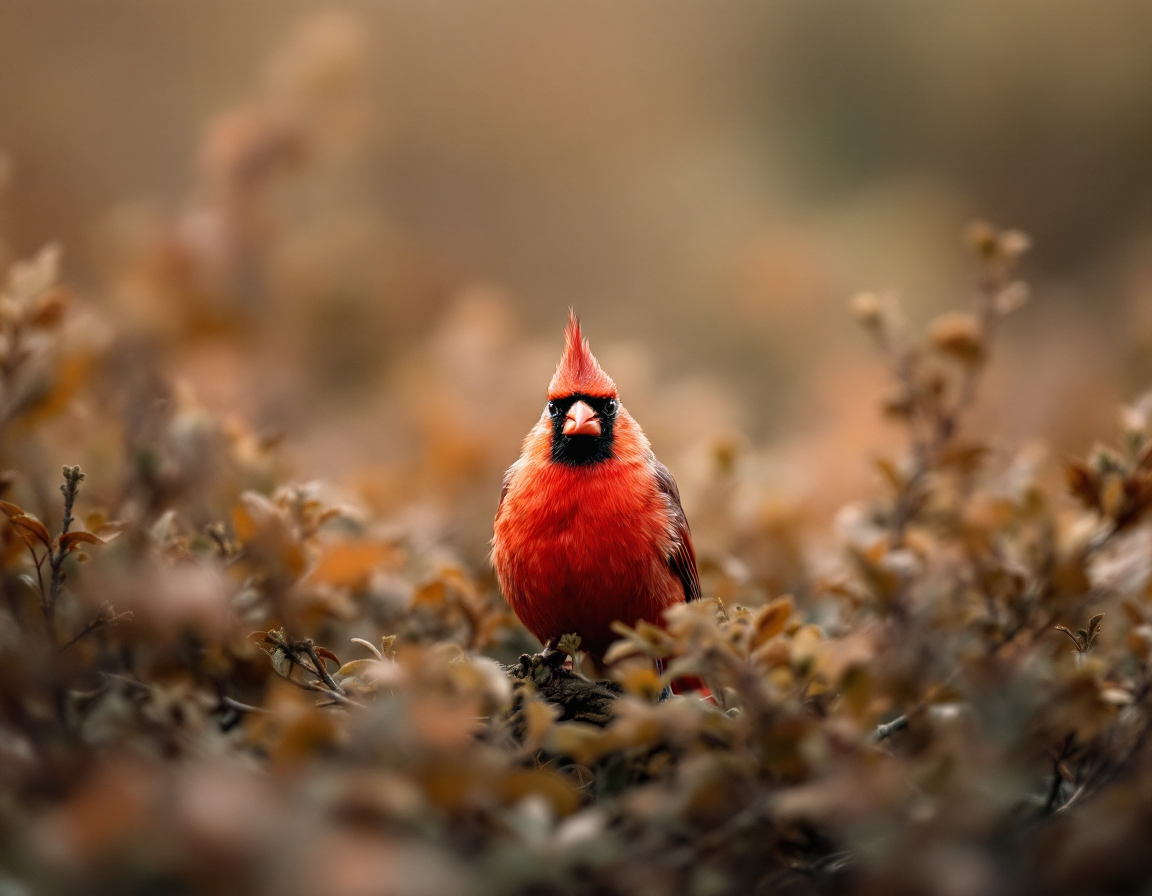
Northern Cardinal
11

Northern Cardinal

Cardinalis cardinalis
Year-round

The red bird everyone knows. The female is warm brown with a coral bill and is easier to overlook. A pair holds the same stretch of hedgerow year after year.

When to look
All year. Singing starts in January.
Habitat
Hedgerow, brushy fence lines, and the shrubby edge of the garden.
Diet
Weed seed, wild fruit, and a heavy load of insects while feeding young.
Migration
Non-migratory — here all year
What it does for the farm
Cardinals feed their nestlings almost entirely on insects, so a nesting pair in the garden hedge is working beetles and caterpillars out of the rows all spring. They eat a lot of weed seed the rest of the year.
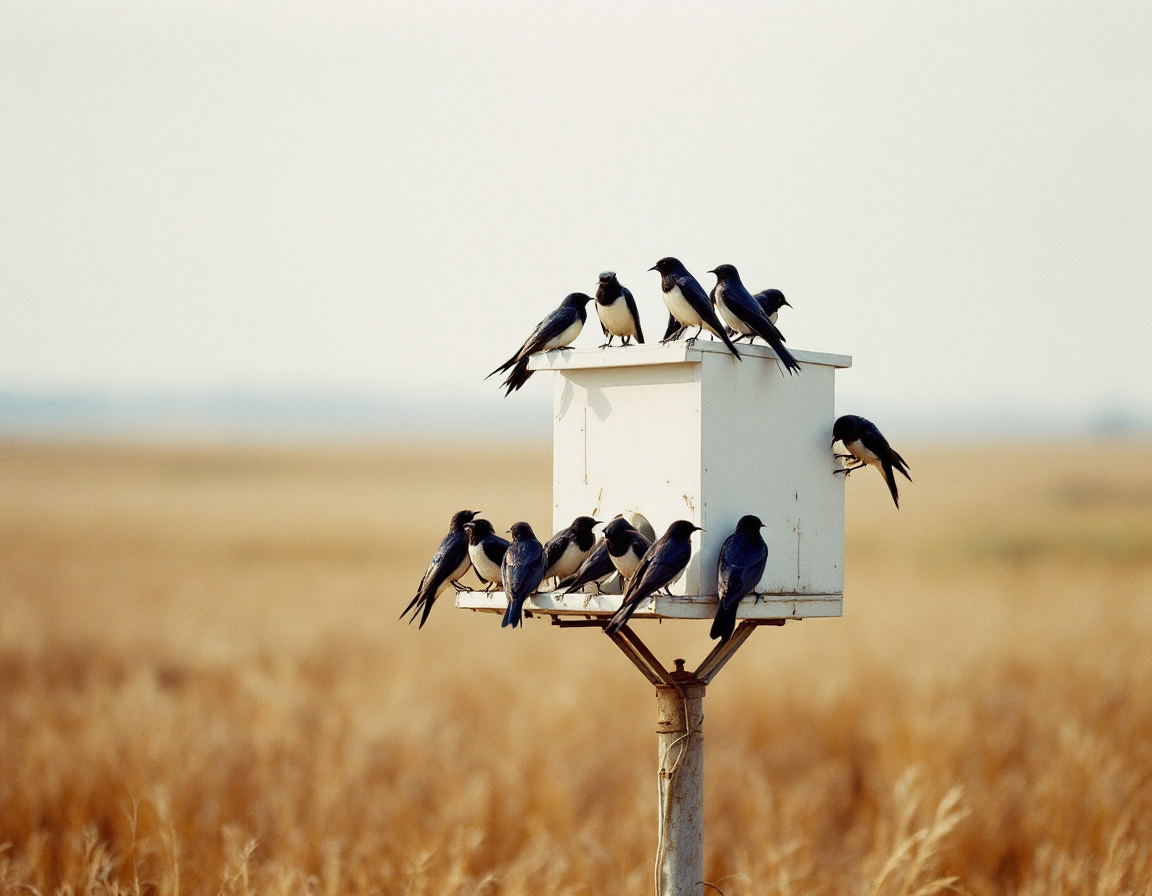
Purple Martin
12

Purple Martin

Progne subis
Summer resident

Our largest swallow. The males are glossy dark purple-blue all over. They chatter constantly around the house on the pole and feed high overhead in loose groups.

When to look
Scouts arrive late January, gone by August
Habitat
The martin house at the edge of the open field. They will not nest anywhere else.
Diet
Flying insects — beetles, dragonflies, flies, moths, wasps.
Migration
Migratory — leaves for the season
What it does for the farm
A full colony is a few thousand insects a day taken off the open field, and they arrive in late winter ahead of the first big hatch. The house has to be up and clean by mid-January or the scouts go elsewhere.
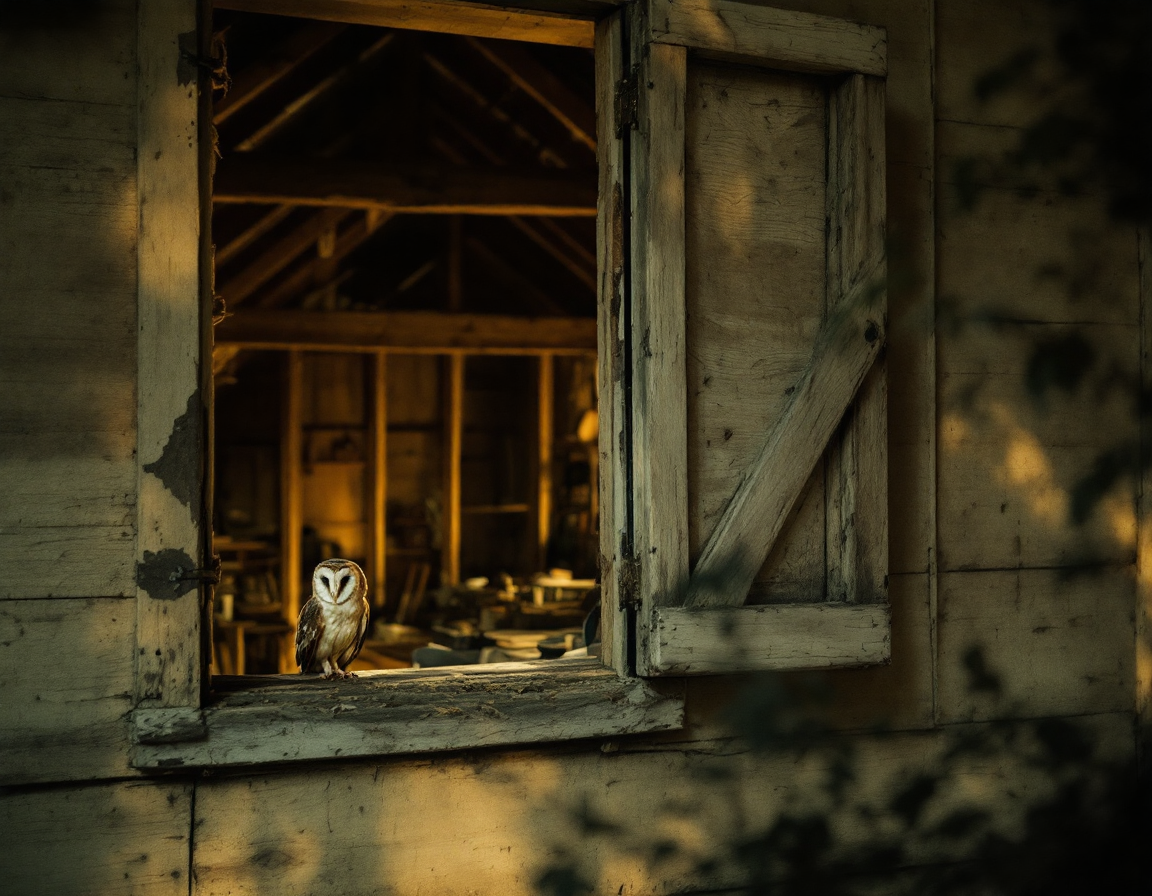
Barn Owl
13

Barn Owl

Tyto alba
Year-round

Pale, heart-shaped face, buff back, ghost white underneath. Silent in flight. The call is a harsh scream, not a hoot, and it will make you look up the first time you hear it.

When to look
All year, seen at dusk. Nesting December through May.
Habitat
The nest box in the barn loft and the hollow cabbage palm at the field edge.
Diet
Almost entirely rodents — cotton rats, roof rats, mice.
Migration
Non-migratory — here all year
What it does for the farm
A nesting pair takes over a thousand rodents in a season, most of them out of the field and the feed area. This is the single highest-return box on the property, which is why we keep three of them up.
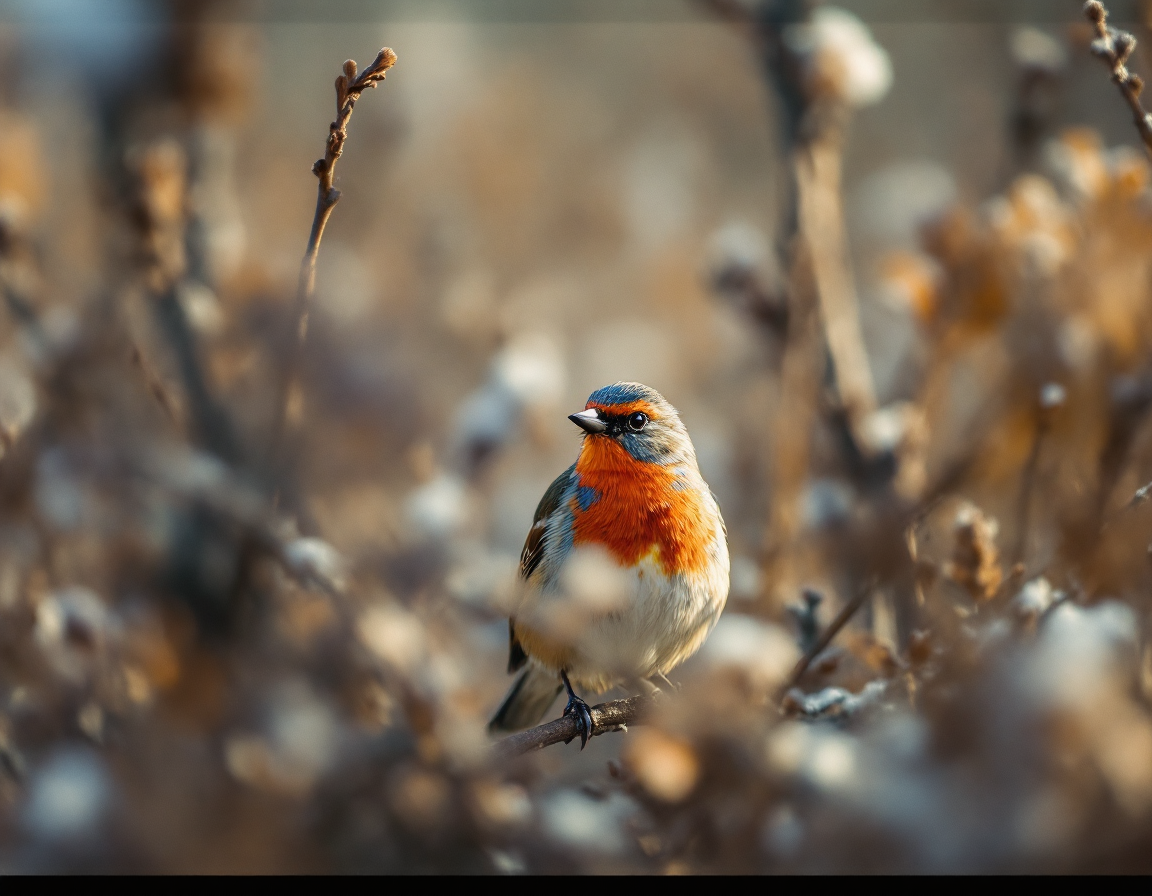
Painted Bunting
14

Painted Bunting

Passerina ciris
Winter visitor

The male is blue headed, green backed, and red underneath, and it looks out of place every single time. He stays low in thick cover and you usually only get a second of him.

When to look
October through April
Habitat
Dense hedgerow, brush piles, and weedy field edges left standing over winter.
Diet
Grass and weed seed in winter, insects in the breeding season.
Migration
Migratory — leaves for the season
What it does for the farm
They live entirely on the messy edges — the brush piles and unmowed weedy strips we leave over winter. Buntings are how we know that scruffy ground is earning its keep, and they take a lot of weed seed with them.
How we manage for them

Habitat is part of the rotation

Birds are not decoration on a working farm. They are the pest control, and they only stay if the ground gives them somewhere to nest and something to eat. So habitat gets planned alongside grazing and planting.

  • Owl and kestrel boxes are cleaned by mid-January, before the birds look.
  • Snags and hollow palms stay standing. Owls and woodpeckers need them.
  • The creek hammock is never cut, and hedgerows get wider, not cleaner.
  • The wet corner stays wet. Cranes, ibis, and spoonbills all read that water.
  • No rodenticide anywhere. Poisoned rats kill the owls that eat them.
  • No insecticide on pasture. The martins and ibis are the program.

Seen something on the property we have not listed? Tell us what it was and where. We add to this page as the year goes.